-

The Resurrection Man—to use a byname of the period— was not to be deterred by any of the sanctities of customary piety. It was part of his trade to despise and desecrate the scrolls and trumpets of old tombs, the paths worn by the feet of worshippers and mourners, and the offerings and the inscriptions…
-

I am sure that we have all heard of Captain Henry Morgan and if we haven’t heard of him, we may have enjoyed some of his rum. However, have you heard of the other Captain Morgan? Let me introduce Captain Morgan ap John ap David of Rhos-On-Sea. Rhos-On-Sea is a popular coastal town on the…
-

International Bat Weekend 29th to 30th August, 2026 As it is International Bat Night, I feel it is only right and proper to do a blog about bats. This also gives me the perfect excuse to lurk about at dusk, in a churchyard. Firstly, I have to confess that alongside my interest in graveyards, I…
-

The Burton Pynsent Monument in Curry Rivel, designed by Capability Brown in 1767, stands as a memorial to Sir William Pynsent, who bequeathed his estate to William Pitt the Elder. The monument also represents local history, including protests against the Cider Tax during that era and a humorous tale of a curious cow.
-
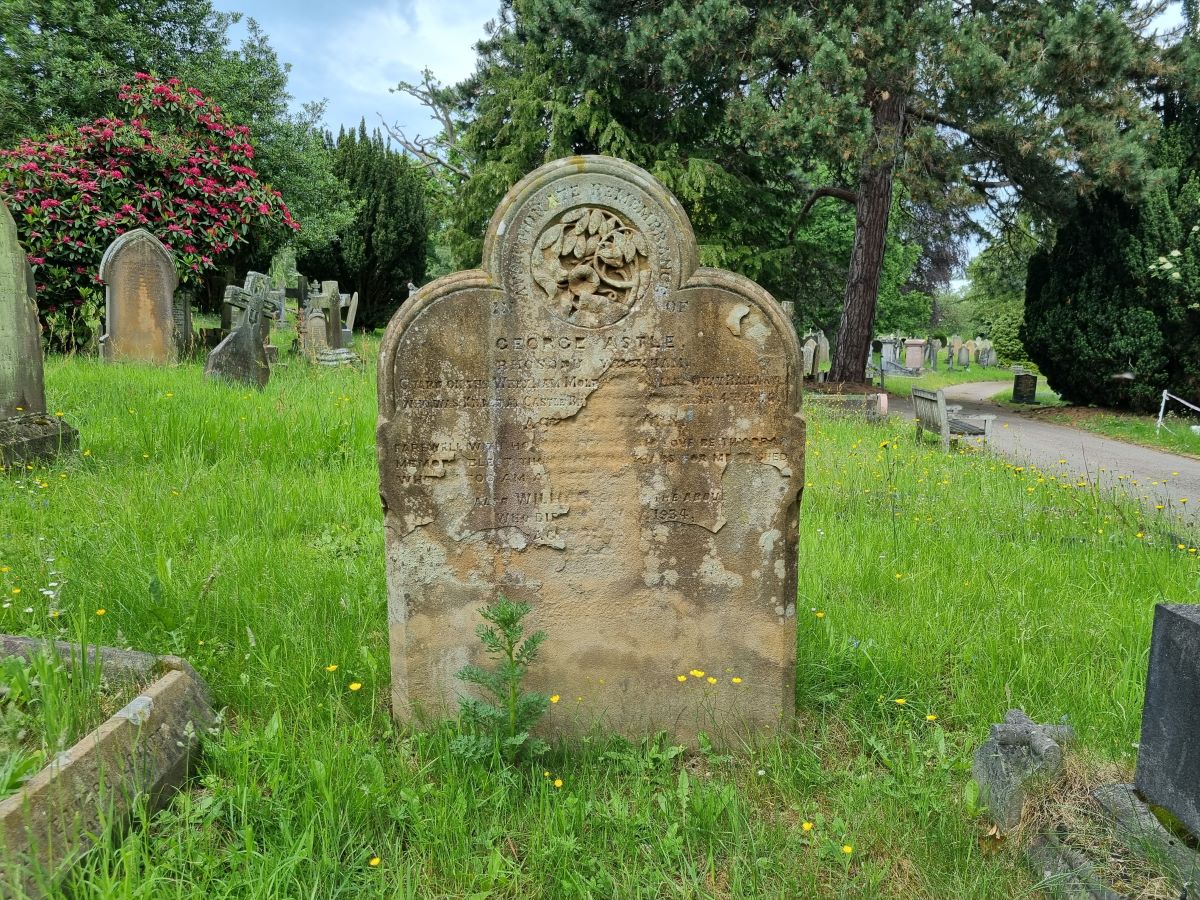
A visit to a cemetery in Wrexham, North Wales leads us to discover the grave of George Astle and to learn of his sad demise in a railway accident. We investigate what happened to his widow Sarah Astle who became a grocer.
-
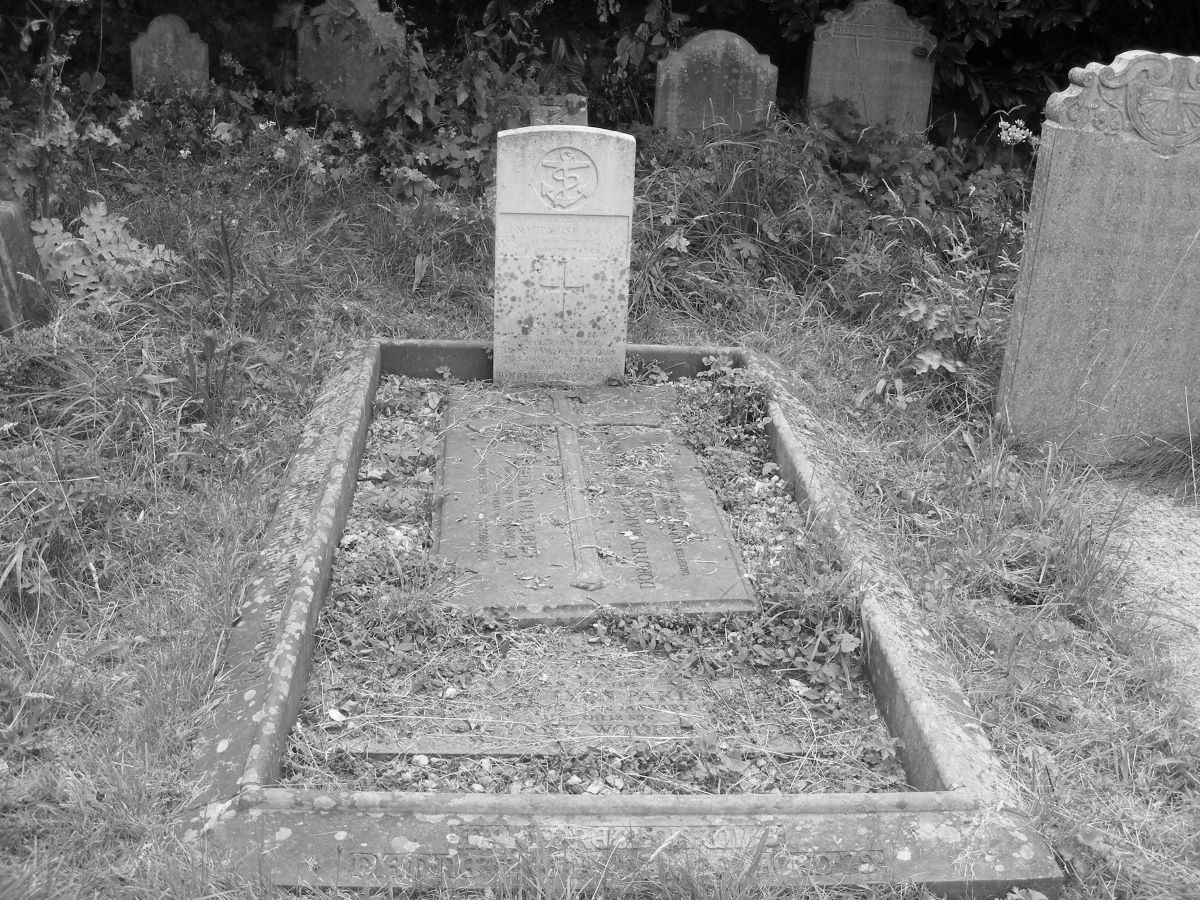
In a churchyard in North Wales, the grave of Sub-Lieutenant J.N.W. Parish, who died in a training accident during WWII at age 20, prompted reflection on his life and tragic history. His brother, David, also perished during the war, and both are commemorated on the Hawarden War Memorial alongside their mother.
-

The grave of Frederick and Mary Burt in Hawarden, North Wales, holds a local tale linking them to famous naval figures. Frederick was a farmer, while Mary maintained friendships with Emma Hamilton, a notable historical figure. Their family ties to Lord Nelson reveal intriguing connections, substantiating the regional legend.
-
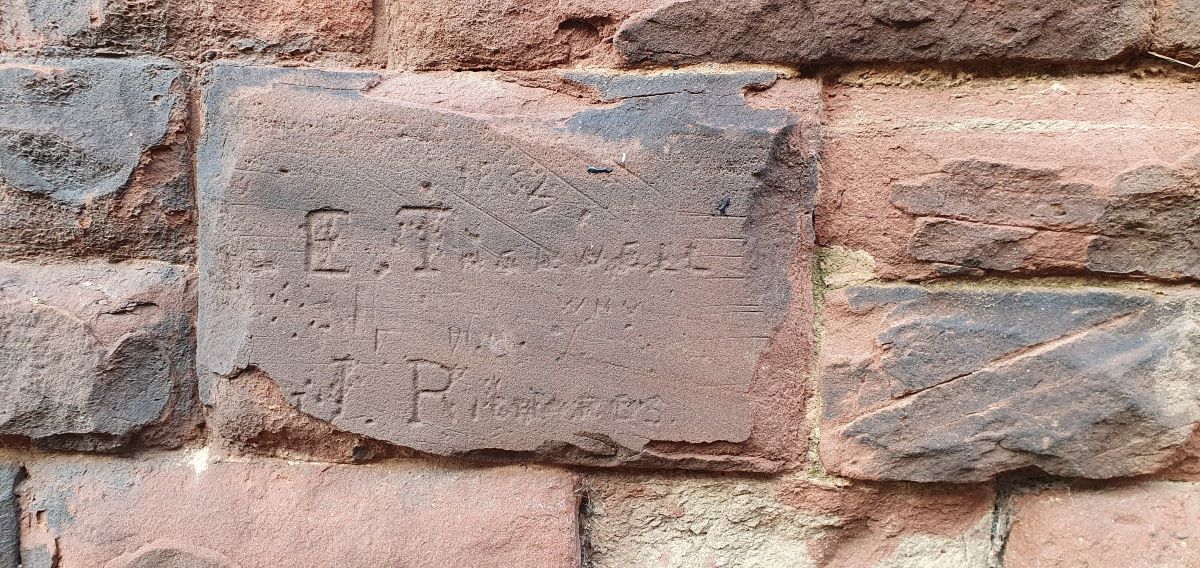
The post discusses recent graffiti vandalism on the historic City Walls in Chester, highlighting the contrast between past and present practices. While historical carvings were common in 1832, current graffiti using spray paint is now considered vandalism of a Scheduled Monument and World Heritage Site, attracting police disapproval.
-

In April 2026, Wrexham’s new cemetery commemorates its 150th anniversary while honoring Women’s History Month. The blog highlights Catherine Castle, a dedicated schoolmistress of Berse Drelincourt School, and her niece, who continued her legacy. Founded in 1719, the school educated orphaned girls, showcasing significant contributions to women’s education and charity work.
-
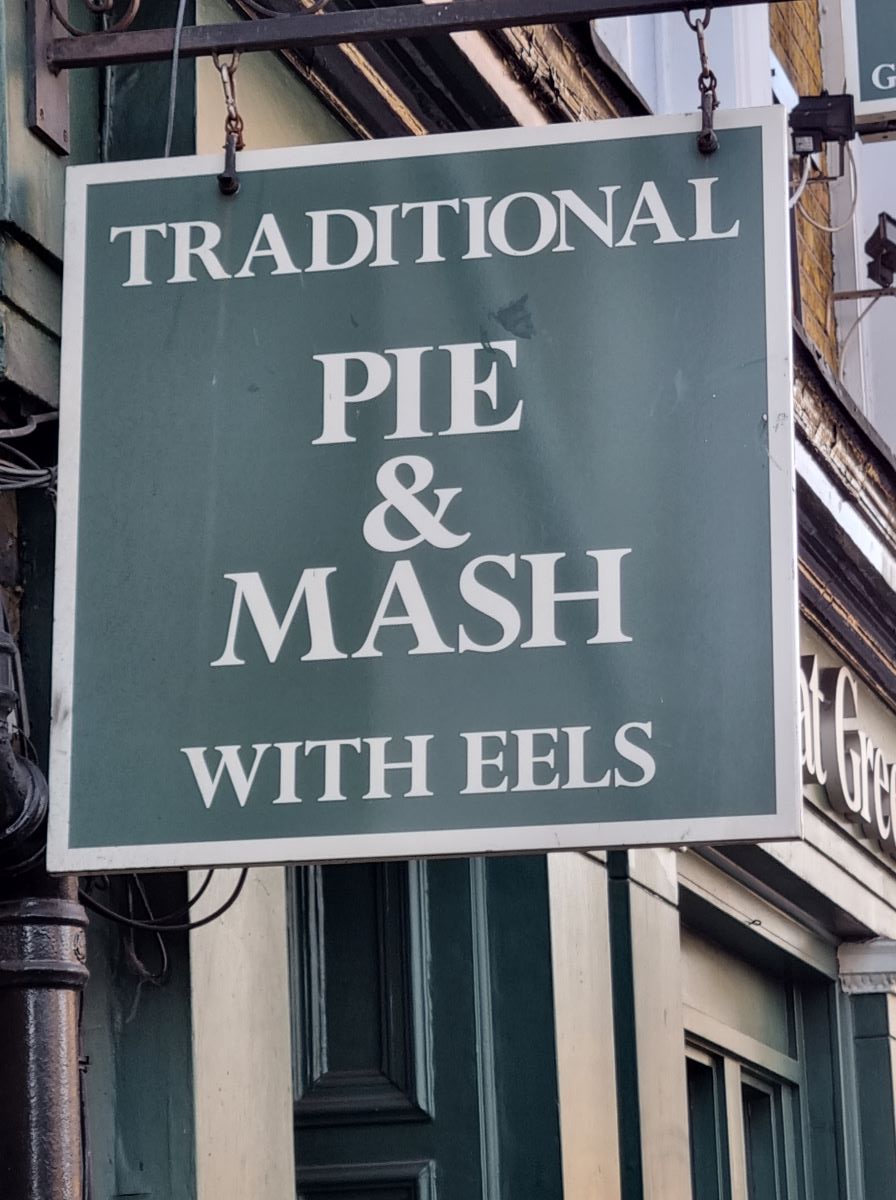
A love story dedicated to Pie and Mash and it’s origins in the London of the Cockneys.